
Introduction
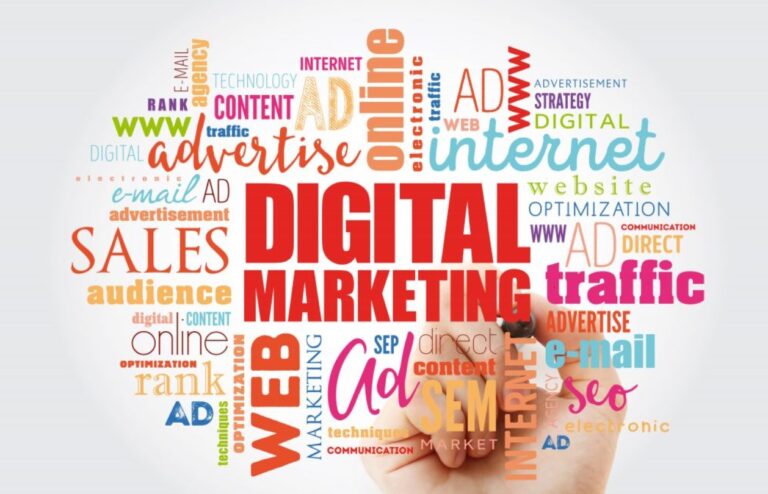
In today’s connected world, digital marketing has become the backbone of business growth. Whether you run a startup, a local store, or a global brand, online strategies help you reach the right audience at the right time. From search engines to social media platforms, modern promotion relies heavily on data, creativity, and technology.
This guide explains core concepts, essential channels, and practical strategies to help you build a strong online presence.
What Is Digital Marketing?
Digital marketing refers to promoting products or services using online platforms, digital technologies, and internet-based channels. It includes search engines, websites, social media, email, and paid advertising.
Unlike traditional advertising, online promotion offers measurable results. Businesses can track traffic, engagement, conversions, and return on investment (ROI) in real time.
Core Channels of Digital Marketing
Understanding the major channels helps create a strong marketing cluster strategy.
1. Search Engine Optimization (SEO)

4
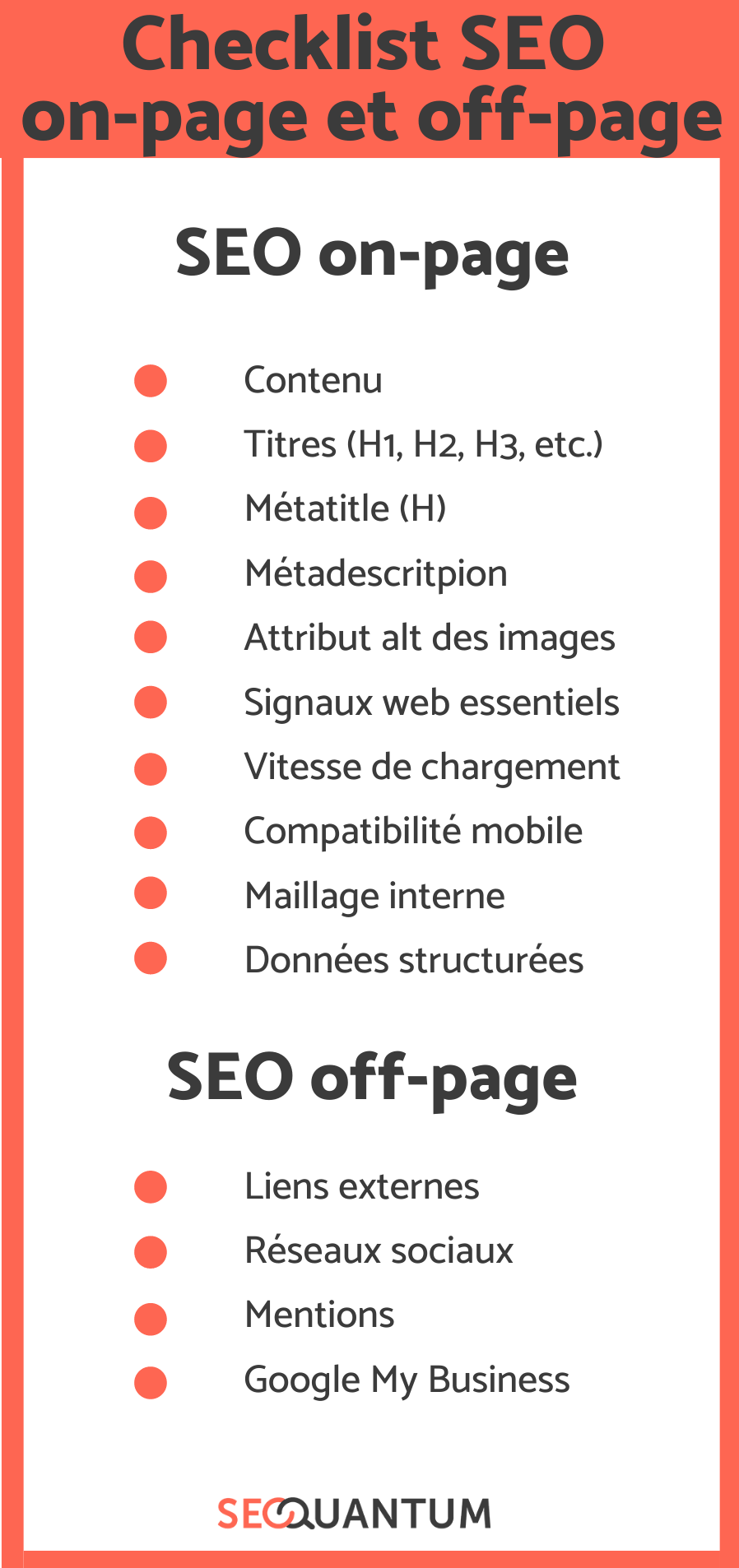
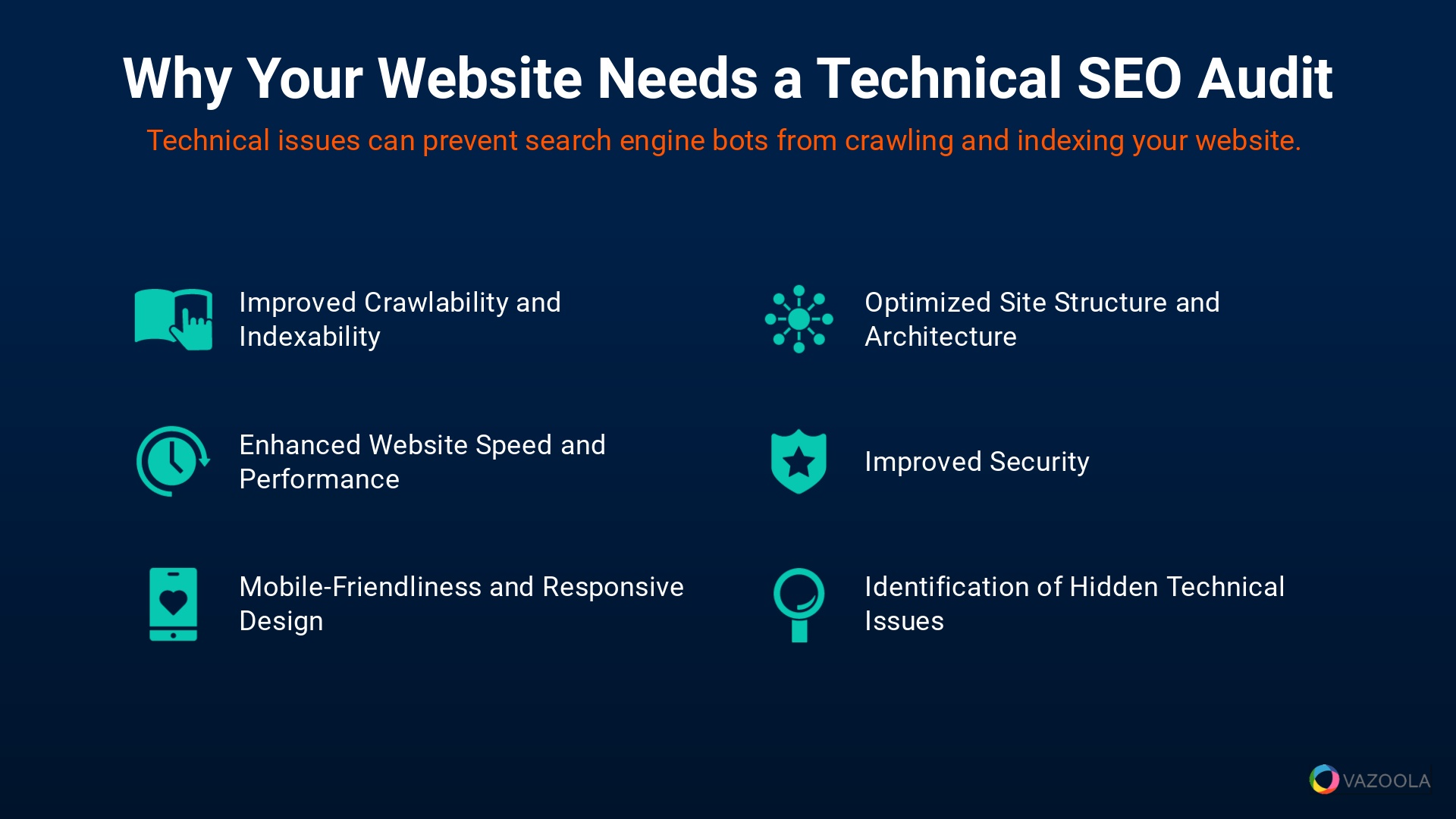
SEO focuses on improving website visibility on search engines like Google. It includes:
- Keyword research
- On-page optimization
- Technical improvements
- Link building
A well-optimized website attracts organic traffic without relying solely on paid ads.
2. Content Marketing


4
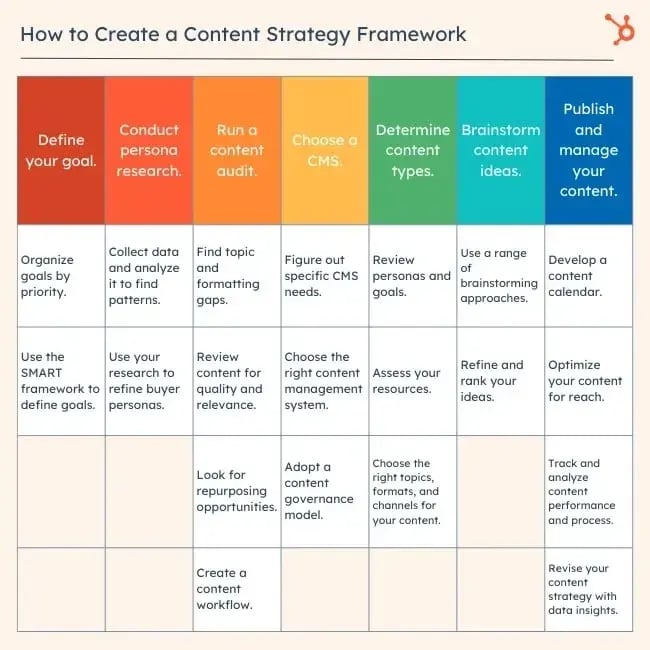
Content marketing involves creating valuable and informative material such as:
- Blog posts
- Videos
- Infographics
- E-books
Quality content builds trust, improves SEO rankings, and nurtures leads through the buying journey.
3. Social Media Marketing


4
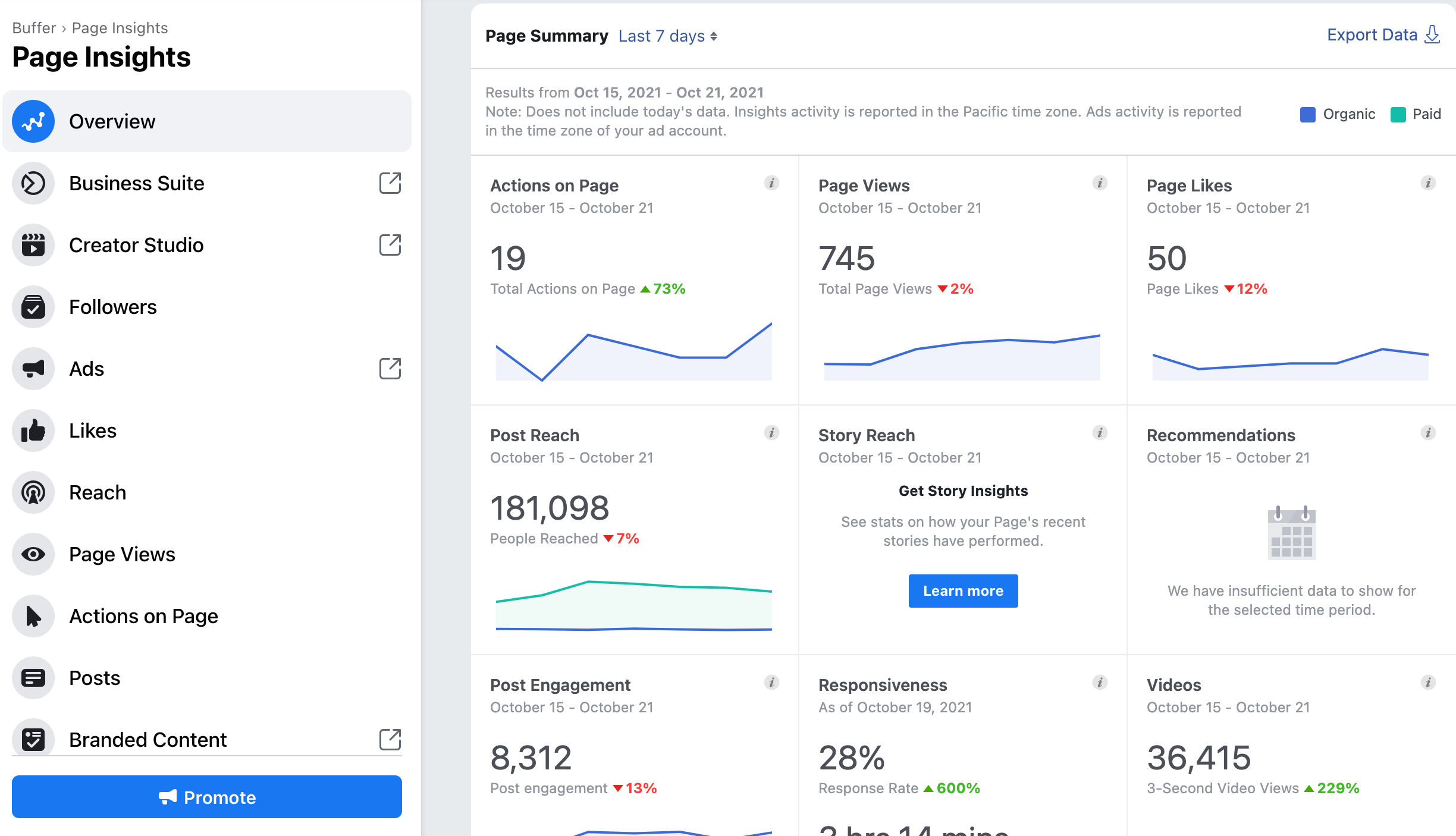
Platforms like Facebook, Instagram, and LinkedIn allow brands to connect directly with audiences.
Key benefits include:
- Brand awareness
- Customer engagement
- Paid advertising opportunities
- Community building
Consistency and audience-focused content are essential for success.
4. Pay-Per-Click Advertising (PPC)

4
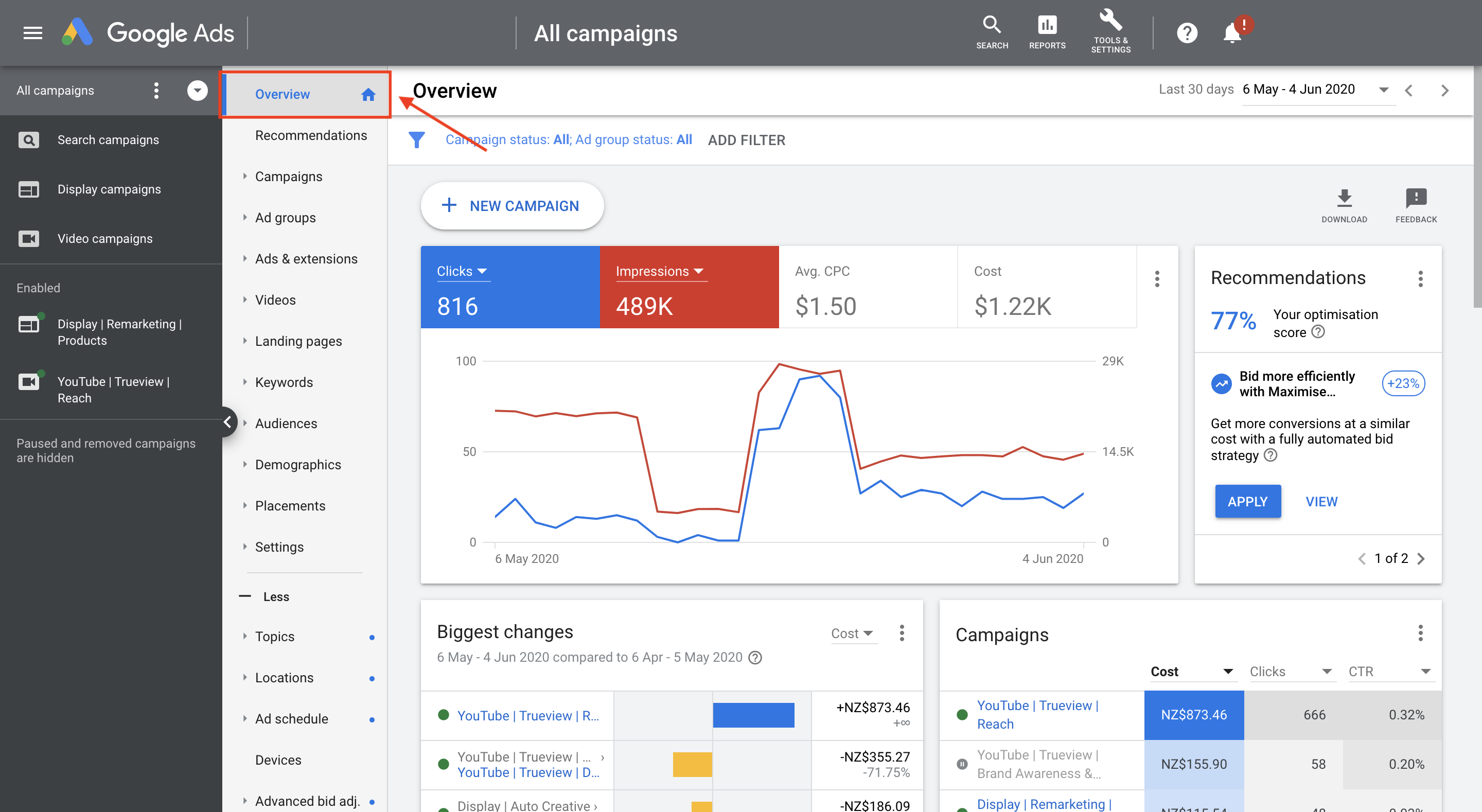
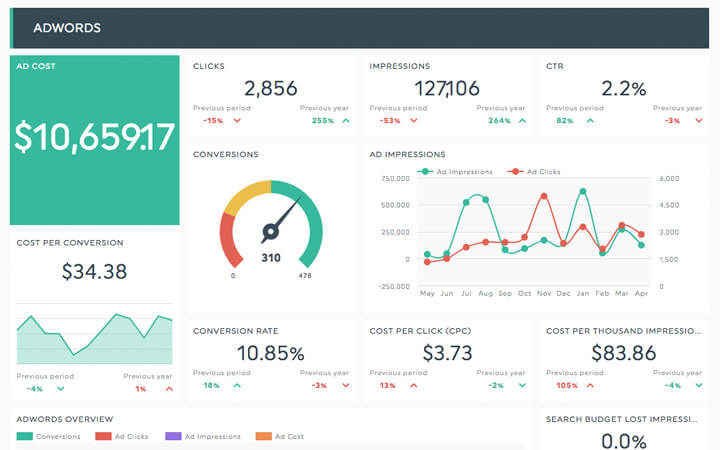
PPC allows businesses to run paid campaigns on platforms like Google Ads. Advertisers pay only when users click their ads.
Benefits include:
- Immediate traffic
- Targeted audience reach
- Measurable performance
- Budget control
When combined with SEO, PPC can deliver balanced short- and long-term growth.
5. Email Marketing


4
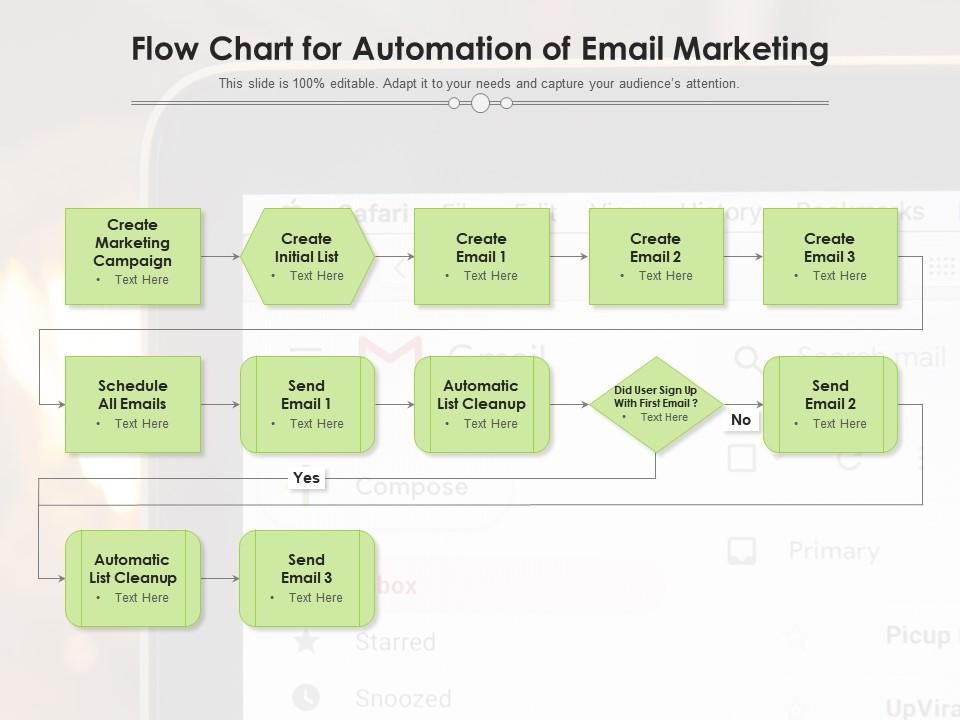
Email marketing remains one of the highest ROI channels. Businesses use it to:
- Send newsletters
- Promote offers
- Nurture leads
- Build customer loyalty
Personalization and segmentation significantly improve open and conversion rates.
Building a Strong Digital Marketing Strategy
To succeed in digital marketing, follow a structured approach:
1. Define Clear Goals
Set SMART goals (Specific, Measurable, Achievable, Relevant, Time-bound).
2. Identify Target Audience
Understand demographics, interests, and online behavior.
3. Choose the Right Channels
Select platforms based on your audience and business objectives.
4. Create Quality Content
Focus on solving problems and answering search intent.
5. Monitor and Optimize
Use analytics tools to track performance and refine strategies.
SEO Cluster Strategy for Better Rankings
A content cluster strategy improves authority and rankings. Here’s how:
Pillar Page:
- Complete guide to digital marketing
Cluster Topics:
- SEO strategies
- Social media advertising
- Content creation tips
- Email automation
- PPC campaign management
Each cluster article links back to the pillar page and to related posts. This structure signals authority to search engines and improves internal linking.
Key Trends Shaping the Future
Modern digital marketing is evolving rapidly. Some important trends include:
- Artificial intelligence in marketing automation
- Voice search optimization
- Short-form video content
- Data-driven personalization
- Influencer collaborations
Businesses that adapt to these trends gain a competitive edge.
Benefits of Digital Marketing
Here are major advantages:
- Global reach
- Cost-effective campaigns
- Measurable results
- Better audience targeting
- Higher engagement rates
With the right strategy, even small businesses can compete with larger brands.
Common Mistakes to Avoid
- Ignoring SEO fundamentals
- Posting inconsistent content
- Not tracking performance metrics
- Targeting the wrong audience
- Overlooking mobile optimization
Avoiding these mistakes ensures long-term success.
Conclusion
Digital marketing is no longer optional—it’s essential for sustainable business growth. By combining SEO, content marketing, social media, PPC, and email campaigns, companies can create a powerful online presence.
A structured cluster strategy, consistent content, and data-driven decisions will help you stay ahead in the competitive digital landscape. Start with clear goals, focus on your audience, and continuously optimize your efforts for better results.